


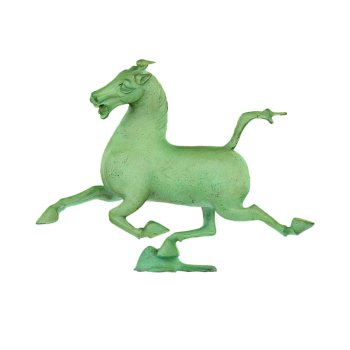
Horse Stepping on Feiyan (Bronze Running Horse)
"Horse stepping on a flying swallow" is a national treasure and a symbol of Chinese tourism. The original is a bronze ware from the Eastern Han Dynasty unearthed in the Leitai Han Tomb in Wuwei, Gansu, China in 1969. It is now collected in the Gansu Provincial Museum. It is one of the most important cultural relics in China and is known as China's "national treasure". It shows the image of a high-head, four-hoofed, high-speed galloping horse with its right back hoof on the back of a flying bird (usually considered a swallow or dragon bird). This work represents the highest achievement of Chinese sculpture art and copper casting process during the Eastern Han Dynasty. Its balanced center of gravity and smooth lines show a high artistic level.

Bronze Pegasus Collected by Minneapolis Institute of the Arts
When the envoy sent to Central Asia returned to the court, he was amazed by this unique "heavenly horse". This robust animal has a strong back and shoulders, and works very hard, sweating profusely. Emperor Wu of China (141-87 BC) was fascinated by these stories and sent diplomats and later an army to obtain these horses. His interest in these extraordinary horses, as well as the increasingly important role of horses in military operations, largely indicates the popularity of horses in art since the Han Dynasty, especially during the rule of the Wu Kingdom. Bronze horses like this are placed in exquisitely decorated noble tombs.

Popular Models

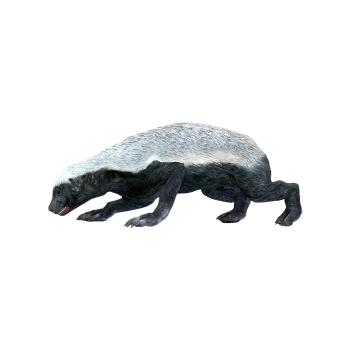
Honey Badger (3D animated model)
194 View
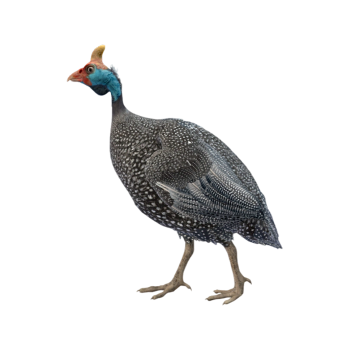
Guinea fowl (3D animated model)
165 View
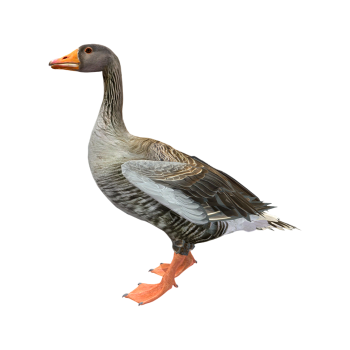
Wild Goose (3D animated model)
187 View
Red Fox (3D animated model)
155 View
Random Model

Mountain path scene
954 View
Homemade Bread
662 View


Strawberry Cream Cake
843 View


Movie Scene miniatures
1238 View


Black bicycle pedals
1007 View

Japanese Ramen
926 View

Antique wooden globe
1095 View